
One、Methods for connecting PE pipes
PE pipe (polyethylene pipe) can be connected using various methods. The specific method chosen depends on factors such as pipe diameter, wall thickness, application requirements, and installation environment. Some common PE pipe connection methods include:
1、Hot-melt welding
Hot-melt welding is the most common and widely used method for connecting PE pipes. This method requires the use of specialized heating tools and welding machines. The process involves heating the pipe ends and the joint, then pressing them together to fuse the materials. Hot-melt welding provides a reliable seal and strength, suitable for PE pipes of various diameters and a wide range of applications.
2、Electric Hot-Melting Welding
Electro-thermal fusion welding is a method that uses electric heating plates or electric knives to heat the ends of pipes and connections, causing them to fuse together. This method is suitable for smaller diameter PE pipes and is commonly used in water supply pipes and residential applications.
3、Threaded connections
The threaded connection involves installing a specially designed threaded joint onto one end of the PE pipe, followed by screwing the other end of the joint onto the pipe. This method is typically used for smaller diameter PE pipes, such as those used for residential gas lines or certain industrial applications.
4、Flange connections
Flange connections involve installing a flange on both ends of a PE pipe and then connecting them together using bolts and nuts. This method is commonly used for large-diameter PE pipes, such as industrial and drainage pipes.
5、Mechanical Connections
Mechanical connection methods include using mechanical connectors, clamps, or couplings to connect PE pipes. These methods are typically used for smaller diameter PE pipes, such as residential gas pipelines.
6、Pressure pipe joints
Pressure pipe fittings are a quick connection method that uses pressure to connect PE pipes to fittings, without the need for heating or welding tools. This method is typically used for smaller diameter PE pipes, such as water supply systems.
Different PE pipe connection methods are suitable for different applications and pipe specifications. Before connecting PE pipes, carefully review the manufacturer's installation guide and ensure that the work is performed in accordance with local building codes and standards to ensure the safety and reliability of the connections.
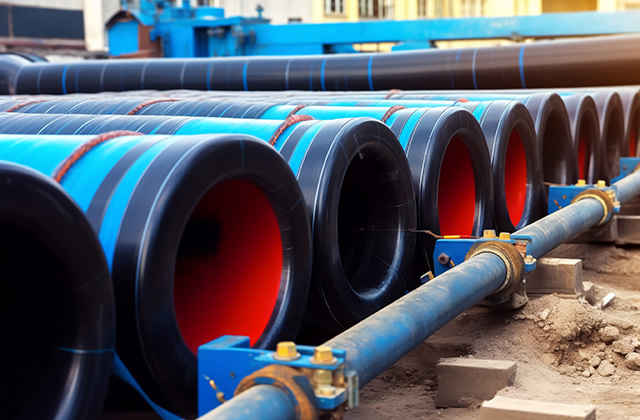
What are the important considerations for pipe connections?
Connecting PE (polyethylene) pipes is crucial, as it directly affects the integrity and performance of the pipeline system. The following are important considerations when connecting PE pipes:
1、Select the connection method
Choose the PE pipe connection method that best suits your project's needs. Common connection methods include: hot-melt welding (electric welding), hot-melt welding, resistance welding, and mechanical connections. Ensure that the chosen method complies with project specifications and requirements.
2、Material Preparation
Ensure that the ends of the PE pipes are cut cleanly and smoothly, and free from dirt, corrosion, or foreign objects. Use a dedicated cleaning agent to clean the pipe ends, removing dirt and grease.
3. Appropriate tools and equipment
Use appropriate tools and equipment for the connection. For example, for hot-melt welding, a corresponding hot-melt welding machine, heating plate, and scraper are required.
4、Welding temperature and time
Control welding temperature and time to ensure that the pipe joints achieve proper melting and bonding. The temperature and time may vary depending on the type and diameter of the pipe material.
5、Use the correct welding pressure
During welding, appropriate pressure should be applied to ensure a strong weld joint. Excessive or insufficient welding pressure can lead to poor weld quality.
6、Calibration and adjustment
Before commencing the connection, calibrate and test the welding equipment to ensure proper operation and accuracy.
7、Cooling and Curing
After welding is complete, the weld joints should be allowed to cool and solidify. This typically requires a waiting period to ensure a secure connection.
8、Inspection and Testing
Conduct inspections and tests on welded joints to ensure there are no leaks or defects. This may include using gas or liquid leak detection methods, as well as non-destructive testing.
9、Record keeping and documentation
Record and retain all relevant documents related to the welding process, including detailed records of welding operations, inspection and test results, and welder qualifications.
10、Safety
When connecting PE pipes, adhere to applicable safety regulations, use appropriate personal protective equipment, and ensure adequate ventilation in the work area.
11、Training and Qualifications
The connection operation should be performed by trained and qualified personnel to ensure the quality and safety of the connection.
12、Comply with regulations
Adhere to applicable regulations, standards, and specifications, including industry standards and safety requirements for the connection of PE pipes.