
One, what are the differences between PE pipes and PPR pipes
PE pipe (polyethylene pipe) and PPR pipe (polypropylene random copolymer pipe) are two common plastic pipe materials, and they have distinct differences in terms of material properties, applications, and areas of use. The main differences between them are as follows:
1、Materials
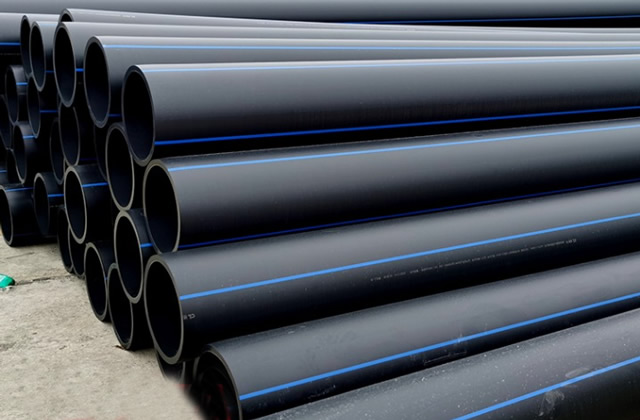
PE pipes are manufactured using polyethylene material. Polyethylene is a relatively flexible plastic with excellent chemical resistance and corrosion resistance.
PPR pipes are made from a random copolymer of polypropylene. PPR is a high-temperature plastic with excellent thermal and chemical stability.
2、Heat resistance
PE pipes are typically used in low-temperature or ambient conditions, with a maximum operating temperature usually around 60°C. Using PE pipes in high-temperature environments may cause softening and deformation.
PPR pipes exhibit high thermal resistance and can operate at elevated temperatures, typically ranging from 70°C to 95°C, and even higher.
3、 Load-bearing capacity
PE pipes are typically used for low to medium pressure applications, such as drainage, waste disposal, and some water supply systems.
PPR pipes are commonly used in medium to high-pressure water systems, including potable water supply.
4、Flexibility
PE pipe is relatively flexible and suitable for underground burial and for use in pipe systems with curves and bends.
PPR pipes are relatively rigid and are not well-suited for curves and bends; they are typically better suited for straight pipe installations.
5、Application areas
PE pipes are commonly used in low to medium-pressure applications such as drainage, sewage, ventilation, and irrigation systems.
PPR pipes are commonly used in cold and hot water supply systems, heating systems, and industrial piping applications that require high temperatures and pressures.
6、Installation Method
PE pipes are typically connected using heat fusion welding, which requires specialized tools and training.
PPR pipes are typically connected using hot-melt welding, which is a relatively simple joining method. However, proper training is required.
2. Which is better, PE pipes or PPR pipes?
PE pipes and PPR pipes both have their own advantages and application scenarios. The best choice depends on your specific needs and project conditions:
1、Advantages of PE pipes (polyethylene pipes)
(1) Corrosion Resistance: PE pipes exhibit high resistance to most chemicals and corrosive substances, making them suitable for transporting various types of liquids.
(2) Flexibility: PE pipes exhibit high flexibility, are resistant to cracking or breakage, and possess good resistance to earthquakes and underground roots.
(3) Low-Temperature Resistance: PE pipes exhibit good frost resistance and maintain stable performance even in cold climates.
(4) Easy Installation: PE pipe installation is relatively simple, utilizing methods such as electric fusion welding for connections, and does not require extensive specialized tools.
(5) Suitable for water supply and drainage: PE pipes can be used in water supply and drainage systems, including potable water, wastewater, and industrial water.
2、Advantages of PPR pipes (polypropylene pipes)
(1) High-temperature resistance: PPR pipes can withstand high temperatures and are suitable for hot water supply systems, such as hot water pipes and heating systems.
(2) Health and Safety: PPR pipe materials do not release harmful substances, making them suitable for use in drinking water systems.
(3) Smooth Inner Wall: The inner wall of the PPR pipe is very smooth, minimizing the possibility of water scale and bacterial growth.
(4) High-Pressure Performance: PPR pipes exhibit good performance under high-pressure conditions and are suitable for large-pressure water supply systems.
(5) Environmental Friendliness: PPR pipes are recyclable materials and are environmentally friendly.
The choice between PE pipe and PPR pipe should be based on the specific application and requirements. If you need it for cold water supply or underground drainage systems, PE pipe may be more suitable. If you need it for hot water supply or drinking water systems, PPR pipe may be more appropriate.
Three. Which is more expensive, PEX pipe or PPR pipe?
1、PE pipe prices
PE pipes are generally less expensive than PPR pipes, especially for low-density PE (LDPE) pipes used for cold water supply or drainage systems. However, high-density PE (HDPE) pipes, particularly those with large diameters and thick walls, may have a higher price.
2、PPR pipe prices
PPR pipes are relatively expensive due to their high temperature resistance and hygienic safety. PPR pipes used for hot water supply systems are typically more expensive than PE pipes used for cold water supply.