
One, what kind of pipe material is typically used for sewage pipes?
Waste water pipes typically utilize specific pipe materials to ensure effective transmission and treatment of waste water, as well as to provide corrosion resistance, sealing, and durability. Some common pipe materials used in waste water pipes include:
1、PVC pipes (Polyvinyl chloride pipes):PVC pipes are widely used in sewage systems due to their corrosion resistance, lightweight nature, ease of installation, and cost-effectiveness. PVC pipes are suitable for low-pressure sewage systems, such as residential sewage drainage systems.
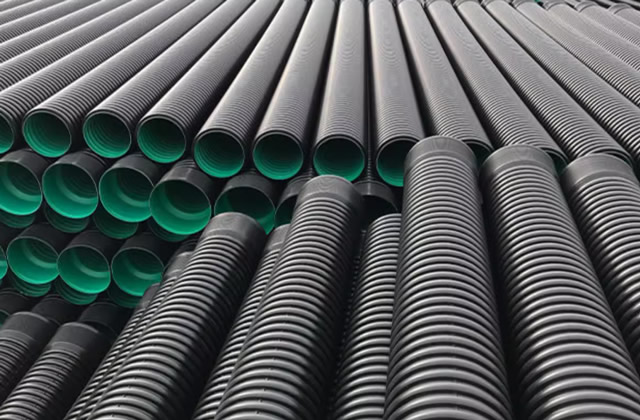
2、HDPE pipe (High-Density Polyethylene pipe):HDPE pipe is a pipe made of high-density polyethylene, which exhibits excellent corrosion resistance and resistance to chemical erosion, making it suitable for various wastewater applications, including sewage systems, municipal wastewater treatment, and industrial wastewater treatment.
3、Cast iron pipes:Cast iron pipes are commonly used in wastewater systems, particularly where high pressure and flow rates are required. They offer high strength and durability, making them suitable for large-scale municipal and industrial wastewater treatment plants.
4、Concrete pipes:Reinforced concrete pipes are commonly used in large wastewater treatment projects, such as wastewater treatment plants and main sewer lines. They are characterized by their high strength and durability, making them suitable for long-term use.
5、Fiberglass pipes (also known as fiberglass-reinforced plastic pipes):Fiberglass pipes exhibit excellent corrosion resistance and are suitable for special environments, such as wastewater treatment systems containing acids, alkalis, or chemicals.
6、Stainless Steel Pipes:Stainless steel pipes exhibit excellent corrosion resistance and are suitable for demanding industrial and commercial wastewater treatment systems.
Two. What material is best for sewage pipes?
Selecting the best material for wastewater pipes depends on the specific project's requirements and constraints. Before selecting a material, consider the properties of the wastewater, temperature, pressure, flow rate, environmental factors, and budget. Additionally, it is essential to comply with local and national regulations and standards to ensure that the chosen material meets the requirements. Collaborating with engineers or pipe specialists is the best way to make an informed material selection, as they can provide specific project recommendations and guidance.