
How to choose sound-absorbing panels
1Test Report
When selecting acoustic panels, it is essential to check for relevant test reports. While many vendors claim the superior qualities of their products, they often lack the necessary test reports. Additionally, when selecting, ensure that the samples provided for inspection are identical to the actual product.
2Thickness and Quality
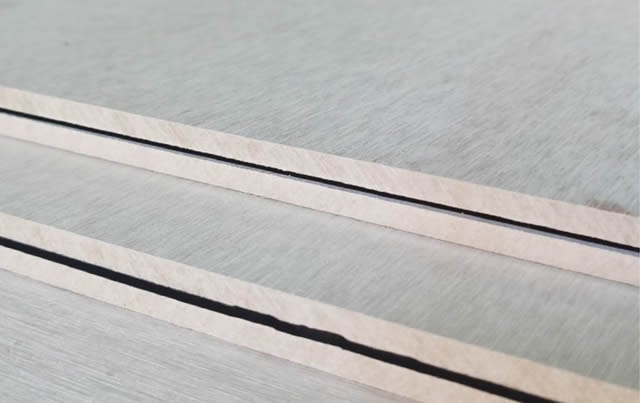
For acoustic panels, thickness and quality are crucial. Acoustic panels are a new type of sound-dampening material, and their sound-dampening effect is not achieved solely through thickness and quality. Generally, acoustic panels have a thickness of only 18mm and can achieve a sound reduction of 53dB. With better wall construction materials, the sound reduction can reach 80dB.
3- Holding time
When selecting acoustic panels, the retention time is a crucial factor. When selecting, it is essential to consider the acoustic panel's performance and ensure that it meets the consumer's needs, as well as its load-bearing capacity.
4、Installation Method
To maintain the original performance of acoustic panels, the safest method is simple, which is also an important consideration when selecting. If the installation method is complex, it indicates that the product is not of good quality and does not achieve the desired soundproofing effect.
Should acoustic panels be used in home renovations?
Generally, home renovations require sound-absorbing panels. Nowadays, people have higher expectations for their homes, and most homeowners design for interior soundproofing. Interior soundproofing has become an essential part of home renovation. Therefore, home renovations must include soundproofing to avoid potential problems and noise pollution. Without proper soundproofing, homeowners may experience noise from both inside and outside their homes, affecting themselves and their neighbors.
However, installing sound-absorbing panels can be a significant expense, and it can also reduce the usable area of the apartment. Therefore, before renovating, homeowners should use instruments to test the soundproofing performance. If the results meet the standards, they do not need to install sound-absorbing panels. However, if the results do not meet the standards, new homeowners can request the developer to make corrections. For second-hand homes, it is still recommended to install sound-absorbing panels to avoid affecting the homeowner's living.