
One, what material is wood-plastic door?
Wood-plastic doors are manufactured by mixing fine wood powder with high-molecular resin through molding processes, combining the excellent properties of wood and plastic, and achieving a truly wood-like effect. Because the materials and production processes do not use adhesives, they do not produce harmful substances such as formaldehyde, benzene, ammonia, and trichloroethylene, making them a green and environmentally friendly new material that replaces traditional wood.
Two, Advantages of Wood-Plastic Doors
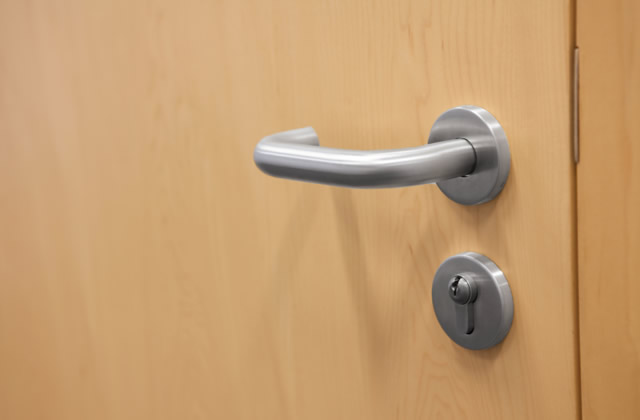
1、The wood-plastic door formula includes a certain proportion of auxiliary materials, such as stabilizers, foaming agents, and modifiers, which are strictly mixed according to specified ratios to ensure the quality of the foam board material.
2、WPC doors are durable, have a long service life, exhibit the appearance of wood, and possess superior properties compared to plastic products, including:* Higher hardness and rigidity* Better dimensional stability, without cracking, warping, knots, or grain patterns.
3、The wood-plastic door exhibits excellent fire resistance. The wood-plastic door set does not contribute to the spread of fire when exposed to flames and automatically extinguishes after being removed from the fire.
4、Wood-plastic door surface treatment technologies are diverse, including thermal transfer, membrane coating, and baking paint. These methods allow for the creation of vibrant and varied appearances, while also ensuring high stability and long lifespan, according to customer requirements.
5、Quick-Install Structure for Wood-Plastic Doors: The wood-plastic door utilizes a German-introduced quick-install structure, making door frame installation extremely convenient. The door frame and door frame profile are connected using interlocking joints, eliminating the need for nail guns or adhesives, resulting in a quick and easy installation.
Three, Disadvantages of Wood-Plastic Doors
1、Composite wood doors, primarily made from composite wood materials, therefore exhibit the same drawbacks as composite wood materials.
2. WPC doors are a new, environmentally friendly product, and therefore, a well-defined quality standards system has not yet been established in the market.
3. Lacking the natural texture of wood, wood-plastic doors treated with heat transfer or coating techniques do not have a natural feel.
4、Compared to wood, it is not heat-resistant and softens upon exposure to high temperatures.
IV. Applications of Wood-Plastic Doors
Wood-plastic composite products exhibit the combined properties of wood and plastic, making them suitable for use in interior doors, especially in environments with large temperature differences, high humidity, and poor ventilation, such as bathrooms where moisture resistance, mold resistance, and insect resistance are required, as well as storage rooms that need to be protected from corrosion and mold.