
I.Wood-plastic doorsWhich is better, composite doors or traditional doors?
(1) Introduction to Wood-Plastic Doors and Composite Doors
Wood-plastic doors are manufactured by mixing finely ground wood particles with high-molecular-weight resins and then using molding processes. Although they use wood, they utilize finely ground wood particles.
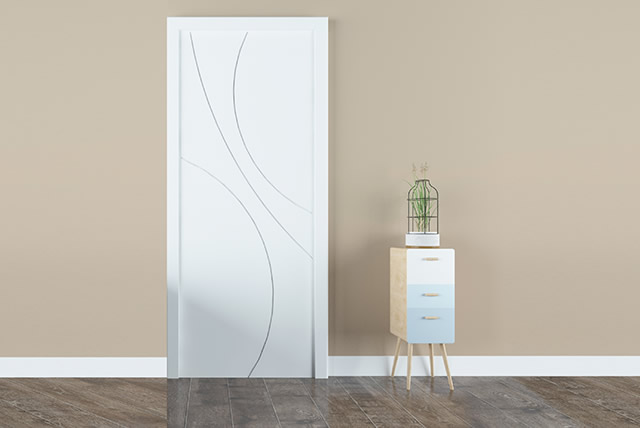
A solid wood composite door consists of a basic shape made from wood materials such as pine or fir, which are bonded together. Then, a density board or solid wood veneer is applied to the outer surface of the door, and the final product is manufactured through a high-temperature pressing process. Note that the door core used in this process is made of solid pine or fir wood.
(ii) Advantages and Disadvantages of Wood-Plastic Doors
Now, let's discuss the advantages of wood-plastic doors. The primary advantage of wood-plastic doors is their virtually non-deforming and non-cracking properties. Although wood-plastic doors utilize wood particles, they use extremely fine wood powder, and undergo molding processing, which gives them the combined characteristics of wood and plastic, ensuring their non-deforming and non-cracking properties. Additionally, wood-plastic doors have excellent moisture resistance, which is due to their molding process.
Disadvantages of WPC Doors: WPC doors lack the natural grain of solid wood doors. WPC doors are manufactured using finely ground wood particles, so they do not have wood grain. Like other plastic doors, they also share some disadvantages, such as being susceptible to softening at high temperatures.
(III) Advantages and Disadvantages of Solid Wood Composite Doors
The primary advantage of solid wood composite doors is their clear and natural wood grain, which provides a visually appealing experience. Furthermore, they possess excellent sound and thermal insulation properties, which are inherent characteristics of wood.
The disadvantage of solid wood composite doors is that they are more prone to cracking and deformation compared to wood-plastic doors, and they are also susceptible to moisture. Therefore, it is not recommended to install solid wood composite doors in bathrooms and kitchens.
II. Differences between wood-plastic doors and composite wood doors
1、Material Differences:Solid wood composite doors consist of two parts: the "base layer" and the "surface layer." The base layer uses natural wood panels, with a layer of MDF applied to the exterior. The material of wood-plastic doors is primarily fine wood powder and natural resin.
2、Manufacturing process differences:Solid wood composite doors feature a solid wood core with wooden battens connected by dovetailing, bonded to solid wood panels on the surface. Plastic-wood doors are manufactured through molding, with the entire product formed by extrusion.
3、Surface treatment differences:Composite doors typically use spray paint or self-adhesive films; wood-plastic doors use UV coatings or baked finishes.
4、Differentiate by service life:Solid wood composite doors typically last 10–12 years; high-quality wood-plastic doors can last 40–50 years.
5、Difference in formaldehyde content:The environmental friendliness of solid wood composite doors depends on the adhesive used by the manufacturer, and generally exceeds the standard; wood-plastic doors primarily promote zero formaldehyde.