
One, How to remove rust from a lock
1、Use sandpaper to smooth the surface.
A common method is to use sandpaper to abrade the surface. However, the surface of the sandpaper is not smooth, and when encountering rust, it can cause friction. When using sandpaper, it is necessary to choose the appropriate type. Common types of sandpaper include diamond sandpaper, synthetic diamond sandpaper, and glass sandpaper, which are commonly used for metal abrasion. This type of sandpaper can be further divided into various types, and we can choose the appropriate type based on our needs. However, this method is relatively laborious and may require a long time to achieve the desired effect. If the area of rust is too large, it is not recommended to use sandpaper.
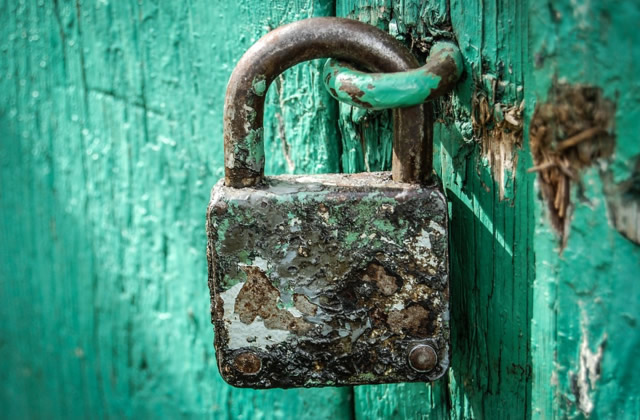
2、Use a toothbrush and vinegar
Vinegar contains acidic substances that can corrode rust on the lock. Using a toothbrush or other brush, apply vinegar to the rust, which is a convenient method. However, it is not recommended to submerge the entire lock in vinegar. Since vinegar is primarily water, if the lock is not dried after submersion, it will quickly rust again. Therefore, when using vinegar, simply apply it to the rust with a toothbrush. If the toothbrush is not stiff enough, you can choose a brush with a stiffer bristle, as long as it can effectively remove the rust.
Two. What to do if a padlock is rusted and cannot be opened?
1、Rust remover
If the lock is severely rusted, you can also clean the lock with a cloth and apply two drops of rust remover to the lock and two drops to the key. Then, insert the key into the lock and turn it back and forth to remove the rust.
2、Cooking oil
If the lock is rusty, you can also drip a few drops of oil into the lock hole, and also into the keyhole. Then, insert the key into the lock hole and pull it back and forth several times to distribute the oil throughout the lock. After a while, you should be able to open the lock.
3、Soap
Soap can also be used to help loosen rusted locks. To use soap, immerse it in water, create bubbles with soap, and then use a key to apply the soapy water. If possible, add some soapy water into the keyhole. Then, use the key to turn and manipulate the lock several times to open it.
4、Pencil
Many people are familiar with this method: using a pencil, shaving the graphite into a fine powder, and inserting it into the lock. Then, use the pencil to draw on the key, and insert the key into the lock and turn it a few times to unlock it.