
One, is a C-level anti-theft door lock better than a B-level one?
C-level locks for anti-theft doors provide enhanced security.
Currently, the locks available on the market are categorized as Grade A, Grade B, and Super Grade B. Grade A locks have a break-in resistance of more than 15 minutes and a technical intrusion resistance of more than 1 minute. Grade A locks are no longer effective against petty thieves. Grade B locks require a break-in resistance of more than 30 minutes and a technical intrusion resistance of more than 5 minutes. Super Grade B locks have the key feature of a technical intrusion resistance time of more than 270 minutes. Some also refer to this as Grade C locks, which indicates a security level exceeding that of Grade B. It is recommended to use Super Grade B locks for the best security.
Which is better, a Class C or Class B lock?
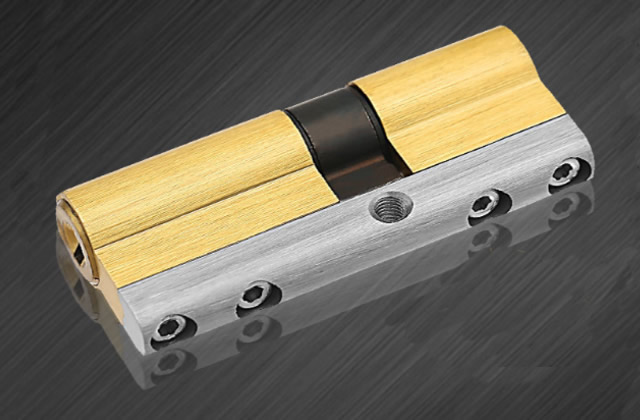
In 2015, national standards were established for A, B, and C-level locks, specifying detailed requirements for aspects such as lock body structure and mechanical strength. However, why are there products marketed as "super B" or "super C" on the market? It can be said that "super B" is approximately equivalent to "C," and some brands set even stricter parameters, further labeling them as "super C." From a technical standpoint, super C-level lock cores have superior anti-theft performance compared to super B-level lock cores. However, due to the lack of a standardized industry definition, the quality of super C-level lock core products varies widely. When consumers are making selections, in addition to paying attention to the lock core level, they should also inquire about the specific technical parameters of the lock core, such as anti-picking time and opening rate, to ensure greater peace of mind.