
One, are there anti-theft locks with D-level security?
Currently, locks on the market can be roughly categorized into A, B, Super B, C, Super C, and D grades, etc. However, according to national standards, there should only be two categories: A and B grades. Locks like D-grade locks are typically defined by individual companies, which leads to a confusing situation in the market.
Two. Introduction to the Security Level of Anti-Theft Door Locks
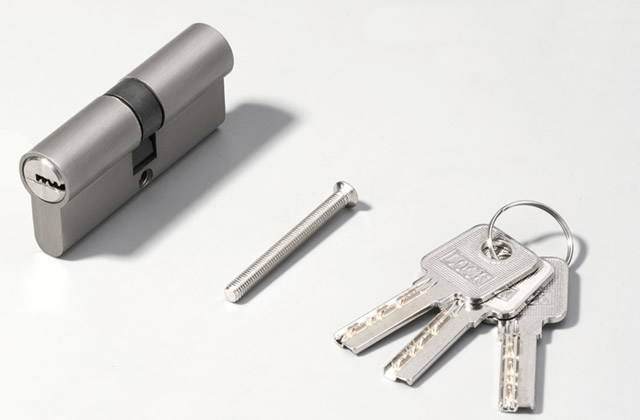
Class A lockCurrently, the main types of A-grade anti-theft locks available on the market are single-character keys and cross keys. The internal structure of A-grade lock cores is very simple, limited to variations in the pins. The pins are few and shallow. The technical opening time is 1 minute, and the inter-keying rate is very high. The pin structure is either single-row pins or cross locks.
Grade B lock: B-grade lock keys are flat keys with double-row spring slots. The key face has an additional row of curved, irregular lines, which distinguishes them from A-grade locks. The main types of lock cores are: computer double-row lock core, double-row crescent lock core, and double-sided leaf lock core. The anti-technical opening time is 5 minutes, and the inter-opening rate is high. The lock core can be opened in 1 minute using a strong-force tool.
C-class lock: The key features a single-sided leaf with a milled slot on one side, or a milled slot key or a double-row plus leaf form. The lock core is a side-post lock core. After testing by the Ministry of Public Security for 270 minutes, it cannot be technically opened. The regional inter-opening rate is zero (one in six million). The bolt structure consists of a double-row leaf with a V-shaped side post lock. If the lock core is opened using excessive force, the internal structure of the lock core will be damaged, resulting in self-locking and preventing opening.