
One. Causes of battery leakage in fingerprint locks.
"When batteries are used with excessive output current and prolonged continuous discharge, the battery temperature rises, leading to leakage. Even prolonged discharge at low currents can cause leakage, and operating below the nominal voltage may also result in leakage. The liquid that leaks from the battery is a highly alkaline hydroxide compound with strong corrosiveness, which can cause corrosion of the battery casing's contacts, leading to poor contact or disconnection."
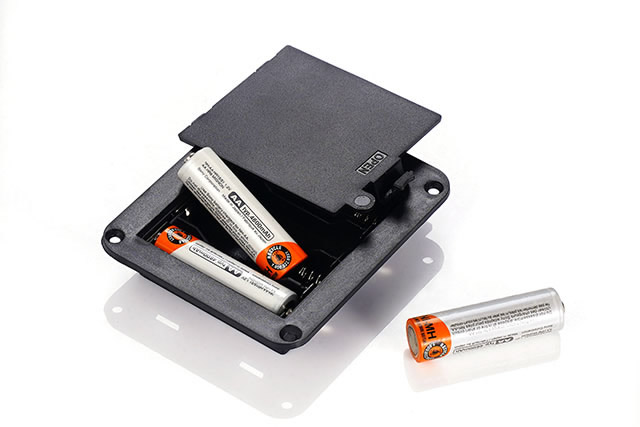
To prevent corrosion caused by battery leakage from damaging appliances, the most effective method is to avoid overusing batteries and remove them from appliances that are not in use for extended periods. To prevent battery leakage, place smart locks in a dry and well-ventilated environment and regularly check and replace the batteries.
Two. What should I do if the battery in the fingerprint lock leaks?
If battery leakage occurs, promptly remove the battery. Use a dry cotton swab or cotton cloth to apply a small amount of acidic substance (such as household vinegar) to the battery compartment, but be sure not to use wet paper towels or wet cloths. After cleaning, it is best to allow it to dry completely, such as by drying it in the sun for about half an hour, before installing a new battery.