
How to choose the right computer desk
1. The computer desk should be structurally sound and stable, with a wide and spacious desktop. A stable desktop is essential for safely and securely placing the computer. Additionally, all computer components, such as the computer case, speakers, mouse, and external devices, should be placed in appropriate locations to ensure adequate ventilation around the computer and provide sufficient space on the desktop.
2. The materials used for computer desks should be carefully selected, with innovative designs and reasonable layouts. The design of computer desks, including desk height and keyboard surface, should be carefully considered to meet the needs of work habits and physical health.
3. The style and quality of the computer desk. The style of the computer desk should align with the owner's preferences and complement the home environment. To ensure the quality of the computer desk, it is advisable to choose reputable brands and retailers, which will guarantee the quality and after-sales service of the desk and chair.
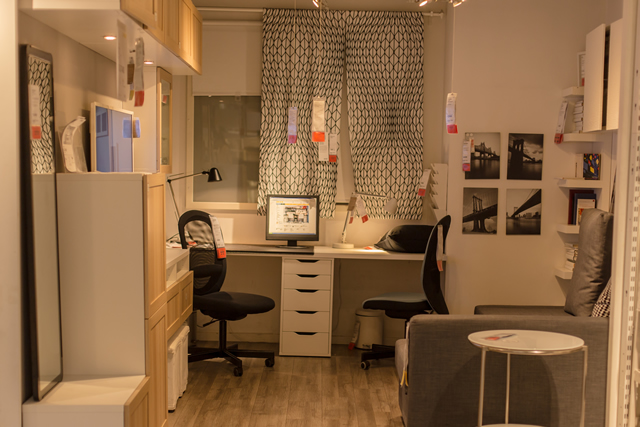
4. Select rotatable, ergonomically designed chairs with low backrests. Ideally, computer chairs should be rotatable to allow users to easily find items while seated. Ergonomically designed computer chairs promote correct posture and a comfortable sitting experience. Additionally, the seat height should be adjustable, the seat cushion should be soft, and the backrest should not be too high.
Is it necessary to purchase an adjustable computer desk?
1、From a health perspective, adjustable desks are highly recommended. Adjustable desks primarily promote alternating sitting and standing postures for work or study, which helps improve blood circulation and alleviate fatigue associated with prolonged sitting.
2. For most office workers and students, prolonged sitting is unavoidable, with daily sitting times exceeding 8 hours. Even with appropriate exercise, the negative effects of prolonged sitting, such as reduced blood flow in the legs and excessive stretching of muscles and tendons, leading to localized discomfort and increased risk of back muscle strain, can still occur.
3. Utilize a lifting table to facilitate alternating sitting and standing positions. For example, take breaks to stand and move around every 30-40 minutes, adjust your posture as needed, and avoid prolonged periods of sitting at a fixed position. This will enhance work and learning efficiency and overall experience.