
One. What are the advantages of a complete kitchen?
1. Comprehensive Design: A comprehensive kitchen design integrates kitchenware and appliances in a cohesive and functional system. This involves comprehensive configuration, design, and construction, to achieve complete uniformity in functionality, science, and aesthetics.
2. Health. The use of non-toxic and harmless environmentally friendly materials throughout the kitchen eliminates concerns about formaldehyde and radiation; specialized materials and equipment for kitchen cabinets, combined with professional design, ensure that the kitchen is permanently free from "smoke and fire" and "unhygienic corners."
3. Safety. The professional overall design and construction of the kitchen eliminates various safety hazards associated with traditional kitchens, achieving the integration of water, fire, electricity, and gas.
4. Comfort. The thoughtful application of principles from ergonomics, human factors, and engineering materials in the overall kitchen design and manufacturing process highlights the "human-centered" philosophy of the overall kitchen, allowing users to experience the comfort and convenience brought by science in a direct and intuitive way. The hard work associated with "cooking" will be replaced by the joy of "culinary performance."
5. Aesthetics. A modern, fully-equipped kitchen will be a functional work of art. The kitchen has undergone a revolutionary transformation, evolving from a solely functional space for housewives to a visually appealing and engaging area for communication and relaxation within the home.
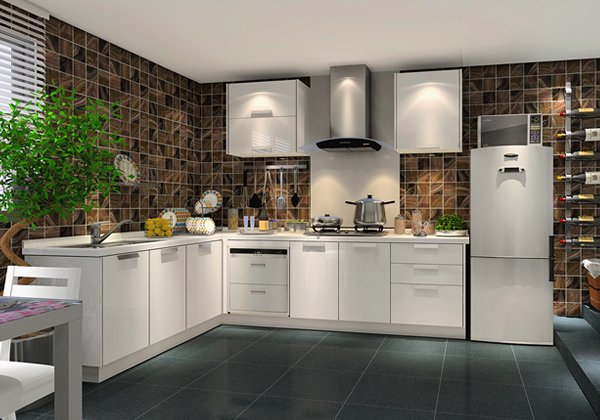
6. Customization. From the overall kitchen layout to individual details like handles, designers should adhere to the principle of "human-centered, tailored design," meticulously planning and designing to showcase the unique character of the "complete kitchen" and meet the specific needs of the client.
However, a complete kitchen renovation is generally expensive due to the need for professional labor for various tasks, which results in high labor costs. Additionally, design costs will also be significant. Furthermore, repairing damaged components can be challenging, as many parts are custom-made, making replacements inconvenient and requiring professional assistance.
Two. What are the pros and cons of installing a cooktop?
1. Health and Environmental Friendliness. The kitchen built with concrete, bricks, etc., utilizes environmentally friendly materials that are free of radiation and specifically designed for kitchen use. Additionally, users can select or participate in the selection of materials.
2、The materials used are of high quality. Using materials you personally select for your kitchen construction will result in a more durable and reliable outcome.
3. Cost-effective. The materials used in rammed earth kitchens are relatively inexpensive, and the extensive use of manual labor contributes to a generally affordable price.
However, the preparatory work for building the kitchen requires a significant amount of time, as it is a relatively fixed structure, so accurate positioning of plumbing and electrical systems is crucial. Additionally, the craftsmanship requirements for the construction workers are very high.
Three. Which is better, a fully renovated kitchen or a kitchen with a new foundation?
In summary, each option has its own advantages and disadvantages. Prefabricated kitchens offer convenience, ease of use, and aesthetic appeal, but they are also more expensive and require more maintenance. In contrast, built-in kitchens are more durable and cost-effective, but they take longer to construct and lack the overall aesthetic appeal of prefabricated kitchens.