
One, can the countertop of a kitchen cabinet be replaced without replacing the entire cabinet?
Yes.
Replacing a kitchen cabinet countertop is possible and relatively straightforward. Many kitchen cabinet manufacturers currently offer countertop replacement services, provided that the overall structure remains unchanged. A professional will handle the removal of drawers, sliding rails, and other hardware, as well as the removal of the stove and sink. Finally, the new countertop, stove, and sink are installed in sequence.
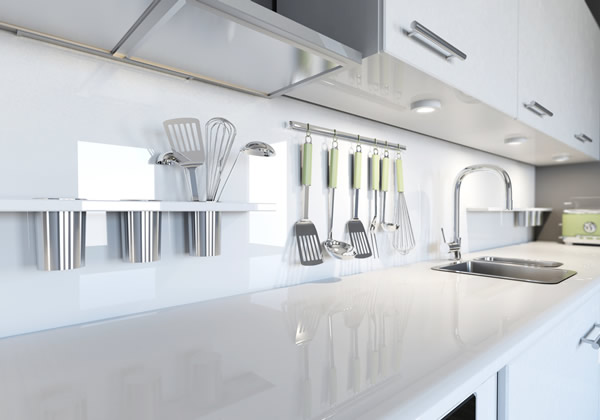
However, replacing the kitchen cabinet countertop is a technical task that cannot be easily done, therefore, to ensure the proper use and longevity of the countertop, it is recommended to contact the original manufacturer for replacement.
Two. important considerations for replacing cabinet countertops.
Before installing the new kitchen cabinets, all appliances, hardware, and other items placed on the floor and inside the cabinets should be moved to an external location, such as drawers and sliding rails, door and hinge hardware, ovens, refrigerators, dishwashers, etc.
Subsequently, properly seal and enclose appliances such as range hoods and water heaters installed on the walls to prevent dust generated from on-site operations, including adhesive application, drilling, grinding, polishing, and waxing, from entering the appliances and metal components, thereby minimizing unnecessary damage.
Additionally, newly installed countertops cannot be used immediately; at least 24 hours should be allowed for the adhesive and sealant to fully dry and harden before use.
Additionally, when replacing countertops made of different materials, it is crucial to carefully consider the design and construction of the countertop edges, back edges, corners, and seams.
Artificial stone materials, due to their strong shaping capabilities, can achieve seamless joinery on both front and back edges, resulting in a seamless and integrated appearance. Quartz stone and granite, however, have higher hardness, and their shaping capabilities are less versatile. Current manufacturing processes cannot achieve seamless joinery like artificial stone.