
1、Range hood
Reasons: The lingering odor is caused by the accumulation of grease and oil inside the range hood, resulting from prolonged use with cooking.
Solution:
① The entire kitchen should be equipped with a range hood featuring grease separation technology. This technology will separate the grease from the exhaust fumes, reducing the amount of grease adhering to the range hood. This will not only minimize odors but also make cleaning easier.
②Develop the habit of regularly cleaning the range hood, and perform deep cleaning on a regular basis.
2、Stove
Reasons: Similar to a range hood, the stovetop surface is also one of the most prone areas to accumulate grease. Spilled liquids and splattering oil can all become sources of unpleasant odors.
Recommended procedure: After each meal, wipe down the stovetop surface with a cloth while it is still warm. For stubborn stains, use a neutral cleaning agent and warm water to clean.
3、Oven odor
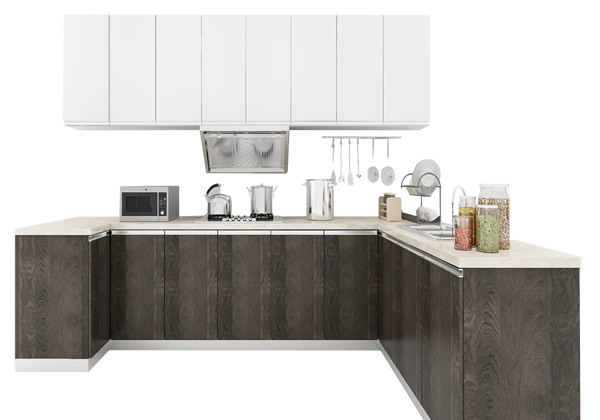
Reasons: After using a newly purchased oven without food, the heating elements inside the oven oxidize when heated, causing smoke and a strange odor, typically a burning rubber smell. Additionally, the odors from food being cooked or spilled oil can also be a cause.
Solution:
① The unusual odor during the initial oven run is normal. After a few initial runs, the odor should disappear. Alternatively, you can place white vinegar or lemon slices in the oven during the initial run.
②Food cooked in the oven can be removed by ventilation. If it is food oil stains, they can be promptly cleaned with a soft cloth.
4、Odor from dishwasher and sink
Reasons: Food residue easily accumulates in the drain filter, causing odors; Dirt accumulated inside the dishwasher also emits odors.
Solution:
① Remove the bottom debris barrier and then unscrew the filter. Clean it with hot water and soap; for stubborn stains, use a brush.
② After washing dishes in the dishwasher, promptly remove any remaining debris inside, and regularly clean the interior of the machine. Ensure adequate ventilation by leaving the door slightly open.
③The seals on dishwasher doors are also prone to moisture and dirt accumulation, so they should be cleaned together.
5、Odor from disinfection cabinet
Reasons: New disinfection cabinets may have a peculiar odor upon initial use; odors can also be released if the cabinet door is not properly closed or is deformed; improper items being disinfected, such as non-heat-resistant plastic and wooden tableware, can emit rubber or burnt odors after high-temperature baking.
Solution:
① Clean and deodorize the new disinfection cabinet according to the instructions.
② The door of the disinfection cabinet can be replaced.
③ Improper items that caused the odor from disinfection can be removed and discarded. In the future, please avoid placing such items in the same area.
Additionally, existing odors can be removed using methods such as orange peels, lemons, tea, vinegar, baking soda, and rice wine.
6、Microwave odor
Reasons: If the microwave oven is not malfunctioning, the odor is usually caused by food residue or oil splatters that have not been cleaned up after heating.
Solution:
① To eliminate food odors, you can heat lemon water, coffee grounds, and orange peels in the microwave for about half a minute.
② Odor caused by oil residue can be removed by: Place a bowl in hot water (approximately 20-30°C) with a quarter of the recommended amount of cleaning agent. Heat for 2-3 minutes. Turn off the heat, remove from the water, and wipe dry with a cloth.
7、Steam oven/micro oven combination
Reason: Residual odors from cooking strong-smelling foods using a microwave oven.
Solution: After each use, open the door to allow the moisture inside to dissipate. Use a damp sponge to clean up any accumulated water in the steamer. If a lingering odor persists, add lemon slices to the water tank and allow the steamer/steam iron to operate for a period.
8、The refrigerator has an unpleasant odor.
Reasons: The interior of the refrigerator contains a variety of items, leading to a buildup of odors and cross-contamination from food.
Solution: You can use tea leaves, coffee grounds, orange peels, or directly apply two drops of lemon essential oil on cotton pads and place them in the refrigerator. This will ensure that the pleasant fragrance remains even after opening the refrigerator.
9、The flue emits an unpleasant odor.
Reasons:
① The environment in the communal smoke ducts is poor, making it prone to oil fume backflow from private smoke ducts.
② The design of the kitchen exhaust system is not scientifically sound, for example, if the exhaust pipe is too long or has too many bends, it can cause grease and fumes to linger in the kitchen for a long time, making it difficult to remove them and causing odors.
Solution:
① Install a check valve in the side flue to effectively prevent the backflow of smoke, avoiding cross-contamination in the kitchen.
② If the renovation is complete, redesign and install the flue. If the renovation installation has not yet begun, it is recommended to engage a professional pre-installed ductwork team for flue design and installation, minimizing the length and bends of the duct to prevent the accumulation of smoke and odors.
10、The sink emits an unpleasant odor.
Reasons:
① This is typically caused by an S-shaped return bend, which prevents the formation of a water seal (i.e., water cannot be retained), leading to unpleasant odors rising through the pipe.
② Food debris and grease accumulated in and on drains, if not cleaned regularly, can cause unpleasant odors to emanate.
Solution:
① Install a sink with a strainer that effectively removes large debris to prevent it from entering the drainpipe. Also, install a large-diameter drainpipe to effectively remove food residue and other debris, preventing the drainpipe from becoming blocked. Furthermore, add an S-shaped return bend to the sink drainpipe to maintain a certain water level in the pipe, preventing unpleasant odors from rising through the pipe.
②Promptly remove solid debris from sink drains.。For pipe walls,Use a specialized kitchen drain cleaner with corrosive properties.,To achieve optimal cleaning results。
11、Cabinets have an unpleasant odor.
Reasons: Kitchen cabinets often store bottles, cans, tableware, and kitchen utensils. If the interior environment is humid, this can lead to mold growth in the corners and storage areas of the cabinets, resulting in a musty odor.
Solution: First, thoroughly remove any moldy items. Then, ventilate the interior to eliminate the musty odor. You can place a bar of soap or a used tea bag in the cabinets to absorb the musty smell.
12、The drain emits an unpleasant odor.
Reasons: The gap between the floor drain and the surrounding surface is not properly sealed, leading to unpleasant odors.
Solution: Install a deodorant-equipped drain; During installation, use white cement or jointing agent to fill the gaps between the drain and the floor drainage opening, and ensure a smooth surface.