
One, which is better, silicone wall coverings or fabric wall coverings?
1、Aesthetics comparison
The variety of colors and patterns available for wall coverings allows for personalized DIY designs, adapting to different interior design styles.
Diatomite-based paint offers fewer color options, but excels in aesthetics.
2、Environmental considerations
The raw materials of the wall covering itself do not contain harmful substances, but adhesives are used during application. Adhesives may contain substances such as benzene or formaldehyde, so the use of wall coverings is not entirely environmentally friendly.
The primary materials for diatomaceous earth include clay, kaolin, and other inorganic minerals such as embossed bars. It is a natural, formaldehyde-free material, and does not require the use of adhesives during application, making it environmentally friendly.
3、Functional Comparison
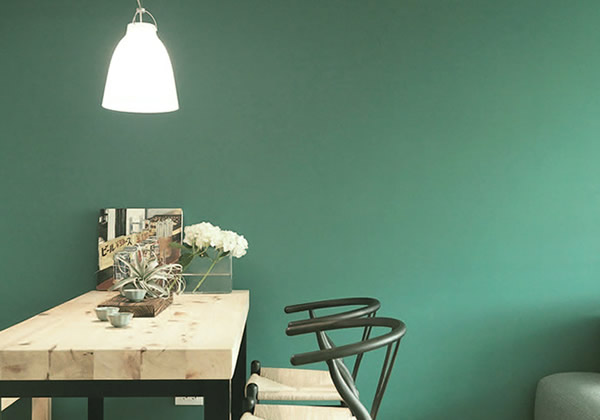
Diatomaceous earth has the function of absorbing harmful substances such as formaldehyde and benzene.
The wall covering provides visual comfort, a soft texture, slight sound insulation, high breathability, and excellent compatibility.
4、Cost comparison
While the initial cost for both options is roughly the same, from a long-term perspective, wall coverings offer a higher overall value due to their longer lifespan.
5、Comparison of service life
The inorganic minerals in the diatomaceous earth can eliminate the nutrient environment for mold, and, combined with the photocatalytic decomposition effect, can continuously inhibit mold growth and extend the service life.
The backing fabric and other organic materials used in wall coverings, although they have anti-mold and water-resistant properties for a certain period, can still develop mold internally over time.
II. Advantages and Disadvantages of Algae-based Plaster
1、Excellent environmental performance. Diatomaceous earth, composed of natural materials such as diatomaceous earth, does not contain any harmful substances to the human body and possesses inherent environmental friendliness.
2. Purify the air. Diatomaceous earth can absorb and decompose free formaldehyde, benzene, toluene, ammonia, and other harmful substances in the air, eliminate odors, and purify the air.
3. Fire resistance and high temperature resistance. Diatomaceous earth is made from inorganic mineral materials and has non-combustible and high-temperature resistance (up to 1300°C) properties. It does not produce harmful smoke during a fire and has a high fire resistance rating.
4. Excellent moisture regulation properties. Diatomaceous mud has excellent moisture regulation properties, preventing condensation from forming on the surface and can help regulate indoor temperature. Furthermore, the porous surface of diatomaceous mud provides excellent sound absorption.
5. Long Service Life. Silicon-based coatings have a service life of approximately 50 years, do not fade, and maintain their original color.
6. Difficult to remove stains. Due to the porous structure of diatomaceous earth, it is susceptible to penetrating and leaving irreversible "stains" if it comes into contact with certain penetrating stains, especially liquid-based stains.
7. Insufficient adhesion. Many of the functional properties of diatomaceous earth are derived from the natural ability of diatomaceous earth to regulate humidity and absorb moisture. However, diatomaceous earth alone cannot guarantee sufficient bonding strength to adhere to the wall.
8. High cost. The unique manufacturing process and raw materials of diatomaceous earth result in higher costs, which consequently increases the final product price.
9、Poor water resistance. Not suitable for areas directly or indirectly exposed to water, and should not be cleaned with wet cloths.
III. Advantages and Disadvantages of Wall Fabrics
1、Rich color and pattern options. Through various printing techniques, embossed mold designs, multi-color printing, and combinations of different embossed patterns, wall coverings can feature a wide range of colorful and diverse designs. With appropriate design, wall coverings can create a customized and enjoyable atmosphere in your home.
2. Affordable pricing. Popular paper-backed wall coverings, including the cost of installation, typically range from 10 to 20 yuan per square meter. For a 20 square meter room, the total cost, including installation, can be as low as a few hundred yuan, offering a complete makeover at an affordable price. This pricing structure is particularly suitable for individuals with modest incomes.
3. Short Construction Cycle. When using wall covering for a three-bedroom, one-living room apartment, professional wall covering installers will apply the wall covering, requiring only three people to complete the job, without disrupting your normal life.
4、Easy to clean and wipe. Wall fabrics can be cleaned by wiping with a sponge and water or cleaning agent to remove stains. The dirt and stain resistance, as well as the wipeable properties of self-adhesive wall fabrics, ensure that repeated cleaning will not affect the aesthetic appearance of the wall surface.
5. The fabric surface is made of fabric, which has greater elasticity than paper. If the fabric is not properly stretched during installation, as is common with typical workmanship, uneven stress can easily cause the pattern to deviate from a single horizontal or vertical line, affecting the overall installation effect.
6. When installing wall coverings, the resulting seams may be noticeable due to the thickness of the material. This is particularly true in areas with high ceilings or staircases, where seams are unavoidable.