
One, Advantages of Water-based Wood Coatings
1、Easy to use
Water-based wood paints are easy to use and less prone to common oil-based paint issues such as air bubbles.
2、Safety and Environmental Considerations
Water-based wood paints have low hazards and minimal pollution. Because they are water-soluble coatings, they are non-toxic and therefore environmentally friendly.
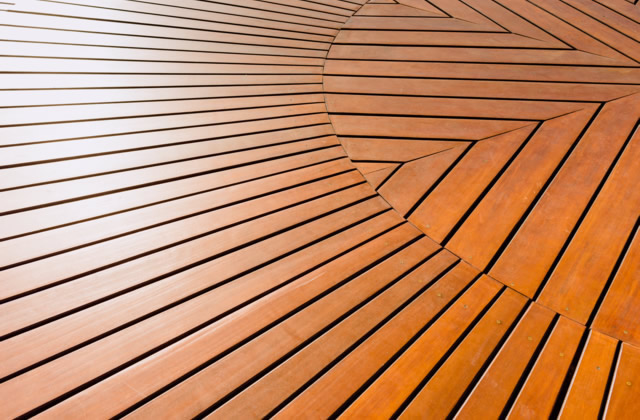
3、Excellent performance
Water-based wood paints are less prone to yellowing and offer excellent water resistance. They also prevent rust and are resistant to high temperatures, allowing for the placement of hot objects on them.
Two. Disadvantages of water-based wood paints
1、Low hardness
One significant drawback of water-based wood paints is their low hardness, which makes them susceptible to abrasion and scratches.
2、Not suitable for high-temperature environments
Under high-temperature conditions, water-based wood paints cannot be applied thickly, as the surface film dries rapidly, while the thick inner layer dries slowly. This creates a tension difference during drying, leading to uneven and wrinkled surfaces, and also increases the risk of cracking in the primer.
3、Poor adhesion
Water-based wood paints exhibit poor adhesion. After application, coatings may exhibit poor interlayer bonding, leading to detachment of one layer from another, or even complete peeling off.
4、The paint layer turns white.
In humid weather conditions, water-based wood paints may exhibit a whitening of the coating layer.
5、High price
Compared to other paints, water-based wood paints have a slightly higher price under the same conditions.