
Can waterproof coatings be diluted with water?
1、Most waterproof coatings cannot be mixed with water. This is because the coatings have pre-mixed the water and various components before leaving the factory. The application performance, actual effects after application, and the composition ratio of the coatings are all strictly tested and approved for sale.
2. If water is directly added to waterproof coatings, it will alter the proportions, reducing waterproofing performance and significantly affecting the application results, potentially leading to varying degrees of leakage in the construction area. Adding water to waterproof coatings can cause surface imperfections and color variations. Please do not assume that the coating is too dry or difficult to apply, as this may be due to the coating not being fully mixed, leading to dryness on the substrate.
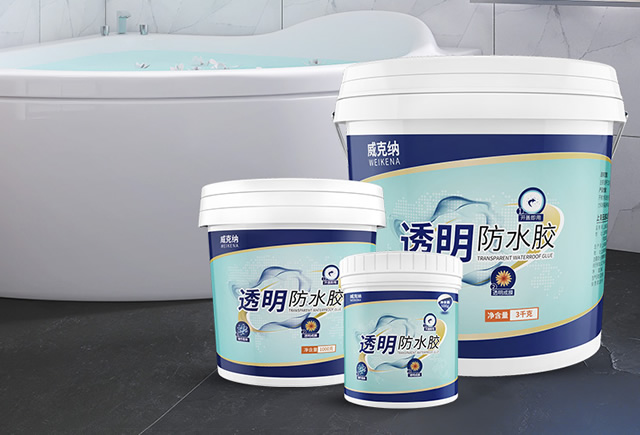
When applying waterproof glue, what factors should be considered?
1、Before construction, it is essential to properly prepare the wall substrate. Ensure that the surface is free from defects such as blistering, powdering, and detachment, and that it is clean and free from any contaminants (such as dust, mold release agents) that could affect the adhesion of the coating. Carefully clean all details.
2. In normal conditions, the joints between the ground, drainage pipes, and wall corners are important areas for water leakage. These areas require specific waterproofing treatments. For example, areas around water pipes, at the base of walls, around drain openings, at corners, and any voids left after electrical or plumbing modifications need special attention. At corners, it is necessary to create a rounded or V-shaped profile before applying any mortar or cement-based mixture. This ensures a uniform surface for waterproofing, preventing leakage caused by uneven coating thickness.
3. The height of the waterproof wall in the bathroom must be at least 1.8 meters, and ideally should extend to the top.
4. Generally, waterproofing involves applying two to three coats. Most applications require two coats, with a minimum interval of five hours between applications. If the climate is humid, the second coat should be applied with a longer interval. It is crucial to apply all coats thoroughly and without any gaps or air bubbles. Acceptance of the first coat is required before proceeding to the next step.
5. Finally, the drying time for the waterproof coating should be at least 24 hours. After sealing the outlet holes, perform a sealing test. The hydrostatic pressure test should be based on the standard of not leaking within 24 hours.