
One, does maintainingWeather-resistant wood require sanding?
Yes.
To properly maintain pressure-treated wood, it is essential to sand it first. Otherwise, paints or wood stains may not adhere properly to the wood surface, and will not provide the desired level of protection.
Due to the inherent properties of wood, the surface may not always be perfectly smooth. Applying wood oil in such cases can lead to significant waste, or uneven application, resulting in insufficient surface brightness and failure to meet the desired performance. To prevent these issues, it is essential to thoroughly sand and clean the wood surface before applying wood oil, removing any oil, dirt, and debris.
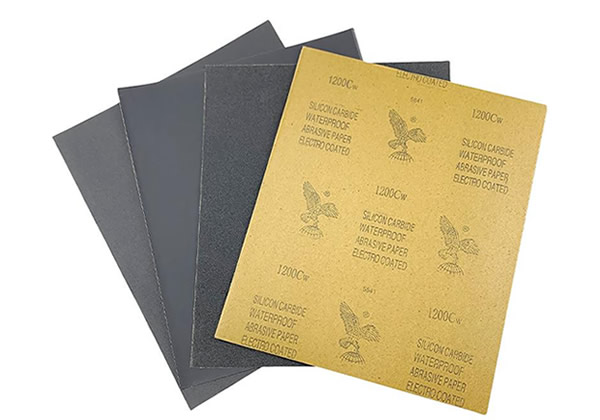
Two. What should be used to sand the surface ofWeather-resistant wood
Grinding theWeather-resistant wood surface, the common methods are two.
The first method involves sanding. Begin with coarse sandpaper to rough up the surface, then gradually switch to finer and finer grits to achieve a smooth, even finish on the wood. However, using excessively fine sandpaper can clog the wood's pores and negatively impact the coating's performance.
For most types of wood, 3/0 grit sandpaper can be used. However, for very soft woods, such as pine or poplar, 4/0 grit sandpaper should be used initially, followed by a gradual transition to 4/0 and 5/0 grit sandpaper, and finally 6/0 grit sandpaper.
The second method involves sanding with a wood sander. Wood sanders typically have coarse, medium, and fine settings, and the sanding process involves multiple passes, starting with the coarsest grit, to remove approximately 0.5 millimeters of paint, surface, and wood layers. Subsequent sanding with sandpaper further refines and smooths the wood surface.