
One, what are the reasons for the delamination of plywood?
Common causes of joint failure in plywood include: high moisture content in the individual sheets, uneven drying, excessive adhesive application, rapid pressure reduction, excessively high pressing temperature, and insufficient pressing time. However, the vast majority of plywood joint failure is caused by: moisture absorption by the plywood. When plywood absorbs moisture, the adhesive softens, reducing the bonding strength, and uneven moisture content within the plywood leads to uneven moisture evaporation and uneven stress distribution, resulting in joint failure.
Two. How to handle delamination of plywood?
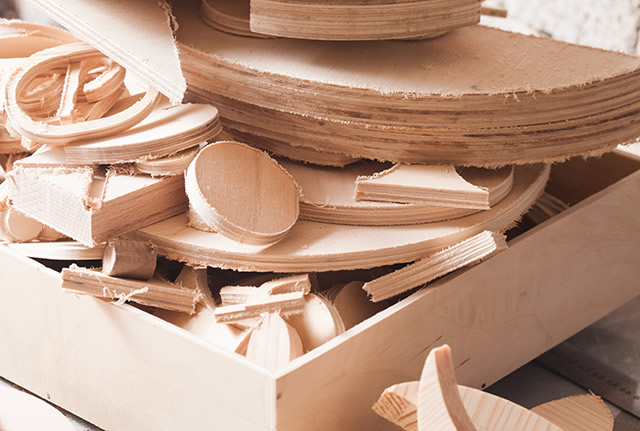
The most effective way to quickly and effectively prevent gaps in plywood is to use plywood edge sealing and waterproofing agent. It has the following features:
1、Sealing edges, penetrating into wood fibers, and forming a hard film through cross-linking.
2、Waterproofing: The treated boards exhibit no water absorption.
3. Moisture-resistant: After treatment, the wood adhesive is no longer affected by humid air, effectively resolving the issue of wood adhesive delamination.
4、Enhance crack resistance, improve board strength, and significantly enhance crack resistance.
5. Prevent deformation and warping of the panel due to uneven stress distribution.
6、Enhances the wear and corrosion resistance of the board material.
7. Corrosion resistance, blocking capillary channels, increasing material density and strength, preventing air and moisture from entering the wood fibers. Protects wood cellulose polysaccharides and lignin from decay and disease caused by moisture and fungal growth.
III. Factors Affecting the Delamination of Plywood
1、Wood moisture content:The moisture content of the wood directly affects the strength of the plywood. If the wood moisture content exceeds 20%, it significantly impacts the strength of the plywood, potentially causing delamination, blistering, or weak bonding. Therefore, when producing plywood, the moisture content should be controlled at 14% or less. The same applies to surface-ply plywood; the moisture content should not be too high. In particular, when producing phenolic resin (low-resin content) birch plywood, the moisture content should be controlled at 8% or less.
2、Hot pressing temperature and time:Low pressing temperatures or short pressing times are the main causes of delamination and weak bonding. Generally:(1) Urea-formaldehyde adhesive pressing temperature should not be lower than 105°C, and pressing time should be 1-1.2 minutes/mm.(2) Triamine adhesive pressing temperature should not be lower than 115°C, and pressing time should be 1.2-1.5 minutes/mm.(3) Phenol-formaldehyde adhesive pressing temperature should not be lower than 120°C, and pressing time should be 1.2-1.5 minutes/mm.High pressing temperatures are the main cause of blistering. Therefore, in the production of plywood, while meeting the pressing temperature requirements, it is important to minimize the pressing temperature.
3、Amount of adhesive to be applied:The amount of adhesive applied is also a crucial factor affecting the bonding strength and causing product quality defects. Generally, the adhesive application on the core board should be controlled between 320-340g/㎡. The adhesive application on the single board should be controlled between 290-320g/㎡. For core boards with increased surface area, if the temperature is not at room temperature, it is necessary to increase the adhesive application to avoid dry bonding. For phenolic adhesives with low resin content, either increase the amount of filler (around 35%) or reduce the adhesive application while maintaining the bonding strength.
4、Curing Time:The duration of storing the steel coil after applying the adhesive affects the pressing effect. Additionally, due to the temperature of the adhesive during storage and the influence of wind and other factors, prolonged storage may cause dry adhesion. Therefore, the process time must be controlled during production. To avoid prolonged storage, ready-mixed putty paste should generally be pressed at 20-24 hours, and the steel coil with added curing agent should be pressed within 12 hours. For areas prone to drying, such as the edges, spray with water as needed. For phenolic adhesives with low moisture content, the storage time should be increased to ensure even distribution of moisture and prevent bubbling.
5、Panel installation time:The operator should minimize the pressing time during the board installation process. Prolonged pressing can lead to the adhesion layer of the pressing board drying out. Generally, pressing a single board should be controlled within 30-40 seconds, while pressing a core board should not exceed 1 minute.
6、Thickness of the core panel or single panel:- Significant differences in the thickness of single plates or core plates can also cause weak adhesion or detachment. The thickness of single plates or core plates should be controlled within a certain range.
7、Medium panel surface irregularities and marks:- Excessive surface irregularities and grooves on the core panel can also lead to weak adhesion. Such panels should be removed and not used.
8、Other reasons:One: The flour contains a high proportion of talc.Two: The hot pressing pressure is insufficient.Three: The plate in the press is misaligned.Four: The overlap between the core plates is excessive.Five: The core plates are not properly sanded or have significant sanding marks.