
One. Finger joint boards are generally used where
Solid wood edge joining boards are primarily used in residential construction for the production of interior door panels, such as sets of doors and sliding doors. They can also be used for the fabrication of furniture, including dining tables and various cabinet types, such as shoe cabinets, wardrobes, and shelving units.
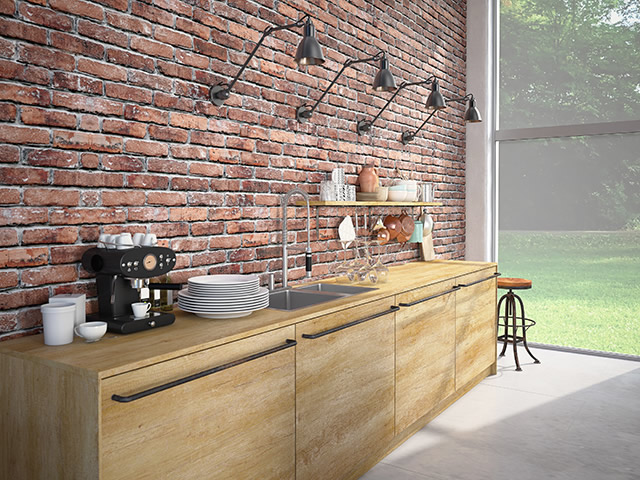
II. important considerations for using connecting boards
1. Avoid using joining boards in humid environments, as they are susceptible to moisture and may crack or deform.
2. Long-term exposure to air on the edge panels can cause oxidation and discoloration, and can be difficult to clean after getting dirty. Therefore, it is necessary to apply paint to the furniture to provide moisture protection and beautification.
3、Due to the limited load-bearing capacity of the shelf supports, the width should not exceed 1 meter when installing shelves, and it is not suitable for use in bookcases that require high load-bearing capacity.
4、After delivering the tongue and groove boards to the construction site, ensure protection against moisture and sunlight. Place a base board, level and place it in a well-ventilated area, and cover the top with a board.
5、The joining boards must be pre-sprayed with a sealing primer before processing. The primary purpose of spraying a sealing primer is to prevent the boards from cracking in the future.
6. The appropriate treatment method should be determined based on the specific finishing process for the products being manufactured. For example, if a cabinet is being made from a solid wood panel and the desired finish is a white paint, the first step would be to apply a primer to the solid wood panel. Then, apply and sand the putty powder, followed by a second application and sanding of the putty powder. After the putty powder is completely dry, the final wood finish can be applied.
7. If the product is only used for internal partitions within a shoe cabinet, simply apply a primer and a coat of clear varnish directly to the edge board. This is also a cost-effective method.